-
65. Soma – The Universal “delighter”
Are you feeling that calm peaceful euphoric state for no reason? Smallest of small things entertain you and make you feel like you are on the top of the world, like a child? Thank Soma circulating in your body! You walk into a room and everyone is giving you a second look for no particular…
-
64. Āpas – the Universal “Dissolved” State
Everything we ever wanted, or will ever want, is in this element, in a dissolved unmanifest state, like salt in ocean water. We just need to do the necessary to manifest it! In a similar way, this element apas is capable of dissolving away anything that we don’t want, like past karmic residues. Again, we just…
-
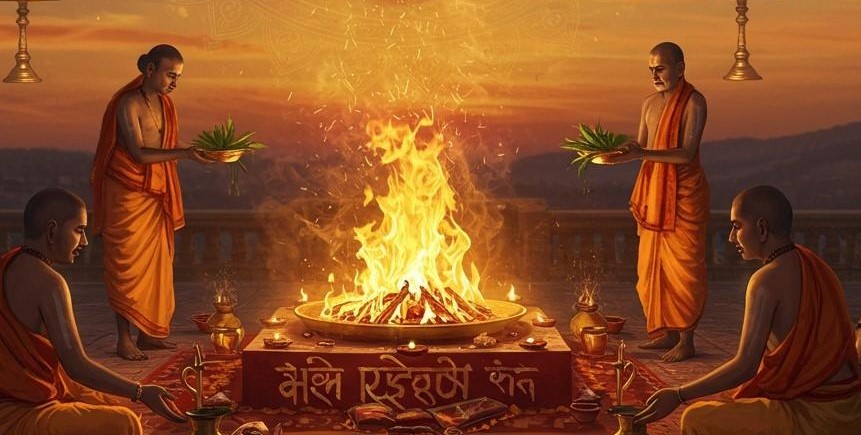
63. Agni – the Ubiquitous Fire
So, how many fires are there? The famous Rig veda starts and ends with a sukta for Agni! In a nutshell, since change is the nature of this universe, Agni is everywhere, in infinite forms, depending upon what needs to be converted from what to what. For example, you want to dissolve away the past…
-
62. Yoga, Creation and Gods: It’s The Prayer That Matters
What do yogis, the ancient rishis of yoga, think of Gods? Is there a God? Is it many Gods, 330 million gods, or just one God? We will cover two famous suktas related to this at the end. If a human worships a deity thinking the deity is one and s/he is another, he does…
-

61. Death: The Final Teacher
To the curious, death is just an experience, and is also the final teacher! prehi prehi pathibhiḥ pūrvyebhir yatrā naḥ pūrve pitaraḥ pareyuḥ |Depart, depart, by the former paths by which our forefathers have departed – Rig Veda 10.14.7 śataṃ caikā ca hṛdayasya nāḍyastāsāṃ mūrdhānamabhiniḥsṛtaikā…A hundred and one are the nerves of the heart. Of…
-
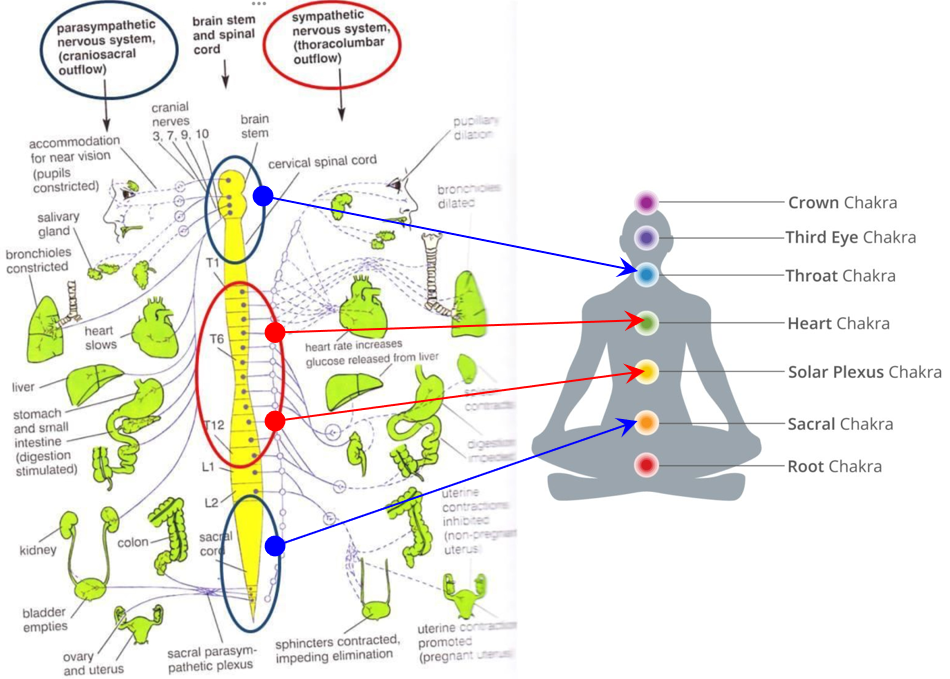
60. Stress, Breath and Aging
Chronic Stress is the real poison within – the true agent of aging Reactive Oxygen Species is that poison Thoughts/beliefs + Breath pattern + All Intakes (food, breath, TV, …) —> Health All issues begin with disturbances in the breath pattern Your youth is laying dormant at the edges of your lungs Heal the subtle…
-

59. Ayurveda, Yoga and Aging
A Healthy person is one with balanced humors (sama dosha), balanced agni (sama agni), balanced building blocks (sama dhatu), well functioning waste elimination system (mala kriyah), and with pleasant atma, senses, and mind. [Notice the inclusion of mind and senses also in the health equation; not just taking care of body. And the word “sama”…
-
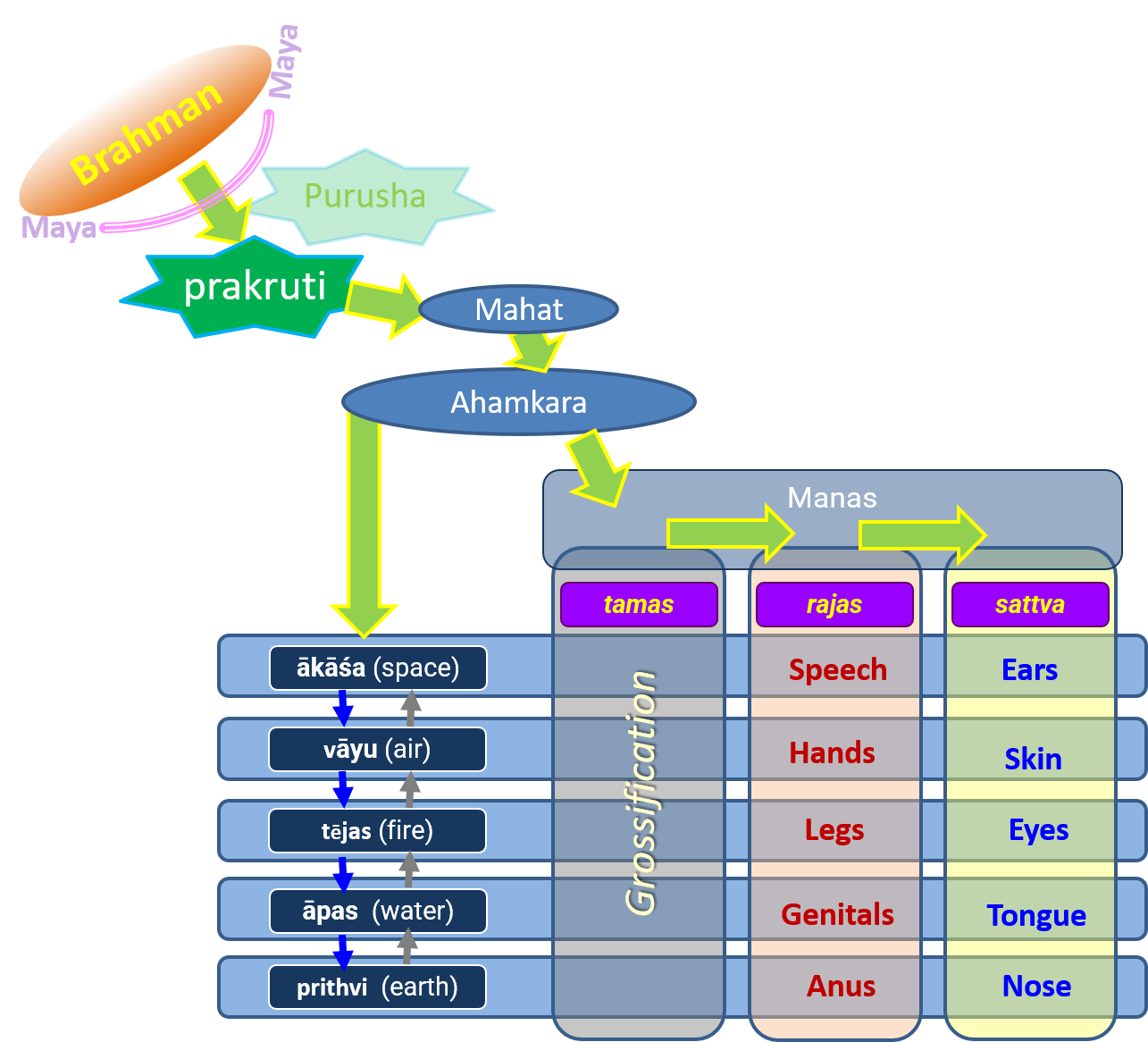
58. prakruti – the universal objective
My (as in Brahman) womb is the “mahat” brahman (or Prakruti), and I (as in purusha) seed that womb to create all beings (both animate and inanimate). [That way] prakruti is like the mother for all beings while purusha is like the father… …
-
57. purusha – the universal subjective
ॐ sa̠hasra̍śīrṣā̠ puru̍ṣaḥ । sa̠ha̠srā̠kṣaḥ sa̠hasra̍pāt । sa bhūmi̍ṃ vi̠śvatō̍ vṛ̠tvā । atya̍tiṣṭhaddaśāṅgu̠lam ।। The puruṣa (Universal Subjective or Consciousness) has infinite heads, infinite eyes and infinite feet (sa̠hasra̍ here signifies innumerable), “He” (the universal being) seeds the creation from all sides, and extends beyond the ten directions (as represented by the ten fingers). …
-
56. Yogic Vision for Life, and Realty – the Brahman
What’s the most important thing in life?…an opportunity to contribute to the society. what’s the purpose of life?…to enjoy the fruits of our actions, driven by own desires at that time…and to set the tone for future by leaving this place with a smaller karmic account balance than when arrived How to live in a…
-
55. “Be yourself” — Whaat😳?
Be yourself!(What? How do I do that? What does that really mean?Only if I know who “I” am – right?) Wanna be in control of a situation?(Control your memory recollection process…Select the right memories, and ignore strong one-time past experiences where necessary) Who else have I been all this time? When am I not myself,…
-
54. Mind – Yajña, Fire altar and Prajāpati
yajñyo yajñyena kalpatāmYajña is created by Yajña yajñena yajñamayajanta devāhGods accomplished Yajña through Yajña Yajña, this element of effort with smallest karmic footprint, is at the core of yogic thought, and spirals down into an egg-from-the-chick conundrum at the beginning of creation. It folds onto itself – yajna is created by yajna – as fundamental…
-
53. Prāṇayāma – the Mind, and its Prāṇic nature
prāṇá vai visve devʰáḥPrana is all “gods”[controlling breath is to control the “god” forces](Taittiriya Samhita 5.4.6) brahmaṇas patir etā saṃ karmāra ivādhamat “Brahmaṇaspati filled these gods with breath as a blacksmith (with his bellows); in the first age of the gods the existent was born of the non-existent.”(Rig Veda 10.72.2) prāṇá evá paśubandʰáḥ Prana indeed is…
-
52. Pain, Deep Sleep and Brain Waves
Vātadrute naasti ruja – Sushruta SamhitaWithout the support of Vāta, there is no pain[Modify the food intake to lower the vata dosha to control pain]. Unclench your way out of pain!Yoga nidra is that technique… One whose mind is not yoked to the body, no afflictions of body can bother them – Yogavasista[When there is…
-
51. Being Happy – Prāṇa
prāṇá vai visve devʰáḥ All “gods” are Prāṇa indeed (Taittiriya Samhita 5.4.6) Breathe to your lungs’ content It’s the oxytocin – which makes us feel connected Wanna be happy? Then breathe a lot, slowly and rhythmically! It’s free too! Preferably at <6 times a minute. Stop several times during the day to just do that, to breathe…
-
50. Mātṛkā Śakti – The Power of Mantra
You are a mantra in motion! You are trillions and trillions of vibrations strapped together. Mantras are not for Gods/Goddesses … Mantras ARE Gods/Goddesses – Tantras …on the lip of that cup (mouth) sit the seven ṛṣis. With the tongue as the eight, that cup communicates with Brahman! – Satapata Brahmana (14.5.3) Yoga schools of…
-
49. Mantra and Heart – Hṛ Seed
हृदये शिवस्तिष्ठतु। In the “heart” is established Śiva Yogic word for Heart, as in Heart Chakra, is Hṛdaya. Hŗ appears in a lot of seed (bija) mantras also, including those for the first six chakras – they are Hṛam (root), Hṛeem (sacral), Hṛum (navel), Hṛaim (heart), Hṛaum (throat) and Hṛaha (brow point). From a practice standpoint, the udana…
-
48. Vātā – Mantra, Tantra and Fourier
Vātā is the sign of life itself, according to Vasishta! Essentially, without vāta is to be without life. There are two other fundamental forces that play a critical role in running our lives – pitta and kapha – we will get there in the near future. Closely related to Vāta are Mantra and Tantra, which…
-
47. Desires, Reincarnation, and “I”
काममय एवायं पुरुष इति स – You are what your deepest driving desire is यथाकामो भवति तत्क्रतुर्भवति – As your driving desire is, so is your will यत्क्रतुर्भवति तत्कर्म कुरुते – As your will is, so is your deed यत्कर्म कुरुते तदभिसम्पद्यते – As your deed is, so is your…
-
46. Yogic Model of Everything – the Five Elements
…existence was born out of non-existence – Rg Veda 10.72, Rg Veda 10.129 … there are worlds within an atom – Yogavasistha 6.2.56-94 … observation brings forth discrete reality out of quantum unreality – Wheeler Yes, apparently there are worlds within atoms! Where was this universe at and before the big bang? Probably in a miniscule…
-

45. “It from Bit”: Subtle bodies, OBEs, and Randomness…
… nothing happens randomly in the universe. “Chance is only a measure of our ignorance” – Poincaré …when he dies, and they place him on the (funeral) fire, then he is reproduced out of that fire. [Here, it is the fire (of the deepest desire) that separates the subtle purusha component from the…
-
44. Reincarnation: Kids, Parents and “I”
yonimanye prapadyante śarīratvāya dehinaḥ।sthāṇumanye’nusaṃyanti yathākarma yathāśrutamSome jivas (dehinah) go into wombs to be embodied; others pass into the immoveable, according to their karma and to their assimilated knowledge [śruti].[Katha Upanishad 2.2.7] Here’s the bonus question from yogis… If it is my subtle body that is reincarnating, and “I” was already there – then what’s the role of…
-
43. Finding the Inner Yupa (Sacrificial Post) – the Meditation Goal
Meditation is the training program for the mind, to go where you want it to go… How to learn to meditate? No, we don’t learn; we actually un-learn… Free will vs. Instincts – that’s at the core of this meditation equation. We are circling back to what meditation is, it’s goal, and the relationship with…
-
42. Vāyu, Desires, and Reincarnation
Whatever mental state one is recollecting (smarana-bhāvam) while giving up the body at the time of death, Arjuna, s/he attains that state, being always absorbed in such contemplation. …
-
41. Prāṇa, Vāyu and Life
prāṇo vai jyeṣṭhaśca śreṣṭhaścaPrāṇa is indeed the oldest and greatest – Brihadaranyaka Upanishad 6.1.1 Breath’s relationship with life, that I shall not forgetजीवन से साँसों का रिश्ता, मैं ना भूलूंगी – Santosh Anand lyrics from a…
-
40. Guru – the teacher within
All things are full of consciousness and when the consciousness comprehends itself there is knowledge – in Yoga Vāsiṣṭha By that, who’s the guru and who’s the disciple? (from Dyckowski’s The Aphorisms of Siva, pp. 80-81): Tantras declare: just as a bee, desirous of nectar, goes from flower to flower, so a disciple, desirous of knowledge, goes…
-
39. Vāyu Subdivisions and Functions
Continuing on from the previous blurb on Vāyu, the breath-pulsations overall is the Prana with the capital P. Once this pulsation enters the body, it drives several derived rhythms, and they are the sub-vayus. There are probably thousands of such pulsations, and signal pathways, or Vāyus, in the body, but yogis emphasize the top five,…
-
38. The Vedic Vāyu – The Fourth Element
Nervous system goes where the awareness of breath pulsations goes! Just like how the roots go where water source goes… The focus of the entire Yajur-veda is the element vayu. This element along with agni, which is the focus of Rig-veda, or fire are pivotal in understanding how everything works. This theory of elements is…
-
37. Element Air: nāsikayor vāyustisthatu
नासिकयोर्-वायुस्तिष्ठतु। (nāsikayor vāyu: tishThatu) In the nose is established vāyu (element Air)! The picture tells us everything – our breath talks directly to the mid-brain, which in turn controls our emotions. it’s the breath rhythms actually. The olfactory nerve provides a direct, privileged pathway into the limbic system, meaning smell signals reach the amygdala without…
-
36. Niyama 5: Praṇidhāna- Surrender
Don’t Bet on Results (Take 2) We have no choice actually! We can never know enough to bet on the results (of our actions)…. We had already talked about this very topic under Karma yoga, but let’s take a look from a different viewpoint. Earlier it was more about the incompleteness of the information available,…
-
35. Godhood, States and Processes
Kundalini Experience as a Process… We talked about the Process-orientation in the second half of the last blurb also, but this is such a significant narrative in yogic thought that it is worth highlighting. Process orientation in a nutshell shifts the emphasis onto Experience, from measurement, assessment and judgement. Why did Krishna say “even gods…
-
34. Kundalini Experience – Krishna’s Coaching
అన్ని నీవనుచు అంతరంగమున, తిన్నగా వెదకి తెలిసికొంటినయ్య…Anni neevanuchu antharangamuna thinnagaa vedaki thelisi kontinayya… Realized that “you” are everything by directly probing my inner recess (of the body-mind-intellect complex) – …
-
33. Kundalini Descent
…tad eva me darśhayadeva rūpaṁ prasīda deveśha jagan-nivāsa Please have mercy on me and again show me your familiar form, O God of gods, O Omni-present One – 11.45 From a yoga standpoint of view, rishis incorporated an extremely critical point here – the return to ground state through control. This aspect is critical…
-
32. Kundalini Ascent – Arjuna’s Reaction
daṁṣṭrā-karālāni ca te mukhāni dṛṣṭvaiva kālānala-sannibhāni|diśo na jāne na labhe ca śarma prasīda deveśa jagan-nivāsa|| 11.25 “Having seen your many mouths bearing your terrible teeth, resembling the raging fire at the time of annihilation, I forget where I am and do not know where to go. O Jagan-nivasa, the omni-present one; please have mercy on…
-
31. Niyama 5: “Īśvara” – The Yogic Model for “God”
Continuing on with what Arjuna saw in the universal form of Krishna: पश्यादित्यान्वसून् रुद्रानश्विनौ मरुतस्तथा | बहून्यदृष्टपूर्वाणि पश्याश्चर्याणि भारत || paśhyādityān vasūn rudrān aśhvinau marutas tathā bahūny adṛiṣhṭa-pūrvāṇi paśhyāśhcharyāṇi bhārata ||11.6|| Behold Arjuna, the (twelve) sons of Aditi, the (eight) Vasus, the (eleven) Rudras, the (twin) Ashwins, as well as the (forty-nine) Maruts and many…
-
30. Niyama 5: Kundalini Awakening and “Īśvara”
ॐ sahasra-śīrṣā puruṣaḥ, sahasrākṣaḥ sahasrapāt | sabhūmiṃ viśvato vṛtvā, atyatiṣṭhad-daśāṅgulam- – Puruṣa-sūkta (Rg Veda 10.90) Of Infinite heads, infinite eyes, infinite feet… engulfing the entire manifest universe, earth, extending beyond the ten-finger arithmetic… is “puruṣa”, the Universal-form, the ocean of self! _/\_ My fellow-seekers, this is what we are expected to see on full Kundalini Awakening. All chakras line…
-
29. Niyama 5: Īśvara Praṇidhāna
Surrender to “God”! Let’s go with this popular translation first. So, if surrender-to-god is a Niyama, an internal discipline, then Yoga is meant for believers only? How about atheists? Who should atheists surrender to, for this niyama? Long story short, no, we can all be assured that yoga is for everyone – believers, non-believers and…
-
28. Niyama 4: Svādhyāya – Self-guided Study
Svādhyāya offers thought seeds as oblation into the “fire” of Tapas… They are tightly coupled niyamas that run in spirals. We Individually select the question/s, analyze, set the investigative program, determine the method of study, we individually walk the path, and finally, we individually realize the vision (Darśana). That’s the blueprint for Svādhyāya. Never to take…
-
27. Niyama 3: Tapas (Askesis)
Niyama #3: Tapah (Tapas: Intense Meditation) “Education is the manifestation of perfection present already in (hu)man.” – Vivekananda paraphrasing Rishi’s doctrines “Knowledge of Platonic Idea is innate, so that learning is the development of ideas buried deep in the soul…” – paraphrasing Plato (in Wiki) Tapas literally means “intensely focusing to attain….” Sometimes this involves…
-
26. Niyama 2: Saṁtoṣa – Contentment
Saṁtoṣa is the second niyama or “happiness as inner attitude”. The word itself is derived from two roots: our favorite “sam” (the prefix co-, associated, together) and, “tush” (inner satisfaction or happiness). So saṁtoṣa loosely translates to – being associated or being together with our own inner happiness. This sensation or feeling of happiness or…
-
25. Niyama 1: Śaucha – Cleanliness
A clean action requires a clean intention Niyama Niyamas shift the focus onto the Me-Mine axis of the I-triangle, from the Me-notMine axis. The external world provides the required contrast for my own assessment of mine. The entire exercise of niyamas is to clean up that relativistic picture. Here are the top-5 niyamas Patanjali included…
-
24. Yamas Recap
Yoga at the highest level is a science of absolute awareness, and Yamas form the foundation. In this regard, we went through a reasonably complex set of topics under the yamas’ banner and sampled a range of yogic thoughts. Just to recap, the tone of rishis on this is – what we consciously disapprove of…
-
23. Yama #5: Aparigraha (non-greediness)
Yama #5: Aparigraha (non-greediness, non-hoarding) Aparigraha loosely translates to not-to-grab-excessively, -amass, or -hoard for future. Otherwise, this drive will disperse our focus from “now” to “future”. Moreover, our greed for existence is the strongest of all, apparently; existence as we understand it. Not that there’s anything wrong with that, but… A story… A seeker goes…
-
21. Yama #3: Asteya (non-stealing)
“Thou shall not steal” is the theme. By now, we are getting a hang of the yamas’ theme of “all the things that we consciously disapprove of doing, we may be doing them unconsciously, to some extent – investigate it.” There is no right or wrong, or acceptable levels – all are personal choices and…
-
20. Yama #2: Satya or Truthfulness
सत्यमेव जयते नानृतं (satyameva jayate nānṛtaṃ)। Truth alone triumphs, no other (false)universal order ṛtaṃ ca satyaṃ cābhīddhāt tapaso ‘dhy ajāyata। The universal order (ṛta) and truth (satya) were born of arduous penance… (RV 10.190.1) satyaṃ caivānṛtaṃ ca satyameva devā anṛtam manuṣyā। And verily the gods are the truth, and man is “opposite of universal order” (SB 1.1.1.4) [Notice the words “satyam”…
-
19. Yamas, Niyamas, Yama of Ahiṃsa
Apparently, Yamas and niyamas are the most important and difficult components of yoga practice…. That’s because it involves a deliberate analysis of everything we do, both voluntary and involuntary acts. This analysis in a way holds a mirror to our “I”, and in the process transforms it. They form the foundation upon which everything is…
-
18. Yoga, Meditation and Effort
When the five senses are stilled, when the mind is stilled, when the intellect is stilled, that is called the highest state – they say yoga is this complete stillness. …
-
17. Yoga – What is it?
Yoga is where Philosophy meets Science Because yoga is the practice where we observe how our inner universe comprehends our own philosophical paradigms at progressively deeper levels. yogaḥ karmasu kauśhalam Yoga is the art of working skillfully – BG 2.50 yoga chitta vritti nirodhah Yoga is the cessation of fluctuations in the awareness field –…
-
16. Meditation and Yoga – what, why and how?
[Through meditation] let the intelligent human sinks speech into mind, sink that mind into intelligence, sink that intelligence into the mahat (great) atman, and sink that mahat atman into the unmanifest (peaceful) atman. …
-
15. Nirvana, Black Holes and Reincarnation
Nirvana, Black Holes and Reincarnation RIP Stephen Hawking_/\_ What happens when one jumps off into a black hole? Information destruction? If yes, we have a physicist recommended path to definitive Nirvana – to take a dip in a black hole:) The physicist extraordinaire Stephen Hawking of black holes fame passed away a few days ago,…
-
14. Shiva’s Night (Shiva-ratri)
Sivaratri Night out (Jaagran/Jaagaram) This is a big celebration in India, and every year, it falls in Feb/March month. Normal practice is to fast and stay up the whole night, and not skip a beat on the next day… How do you do it? This blurb offers some clues to this challenge. Yogis’ main purpose…
-
13. Meditation – Modern Perspectives
How to be happy? What’s the difference between happiness and euphoria? Is there a drink for that? Btw, Why do we drink? What happens to the brain during “orgasm”? Is it possible to stay in the orgasmic state? What’s the neurological basis for those states? The Neurobiology of Bliss We are switching gears here to…
-
12. Meditation – Buddha’s Perspective
Buddha essentially brought meditation to all. He meticulously explained the process and philosophy to his confidant, Ananda, who apparently documented it. What he taught about the functioning and disciplining of the mind is amazing; it’s one of the best practical accounts of meditation, ancient or modern… At the highest level, what Buddha did is to…
-
11. Meditation and Ritual
ko dadarśa prathamaṃ jāyamānam asthanvantaṃ yad anasthā bibharti | “Who has seen the primeval (being) at the time of his being born; what is that endowed with form which the formless sustains” Rig Veda 1.164.4 This line of thinking is very integral to the yogic thought… While the translation provides the exoteric view,…
-
10. Meditation – a Vedic Perspective
Saraswati is the Word and the Word is the way of the gods” – Sama Veda In the beginning was the Word, and the Word was with God, and the Word was God – John 1:1 When evening came, they brought to Jesus many who were under the power of demons; and he cast out…
-
9. Memories: Different Perspectives
A repeat question from before – in pursuit of ascending to heaven after death, if one undertakes a ritualistic action or a good samaritan act, where’s that record held, at least until that person dies on earth? Because heaven is after this life, right? And that deed has to be encoded with personally identifiable information somewhere,…
-
8. Triangles of Yoga – sahasra śīrṣā puruṣa
The Fundamental Triangle of Yoga: Me-Mine-NotMine Yogis always paid special attention to all details including balance of polarities, relative positions of things. Everything has to be ordered and placed precisely, according to them. It’s all about relative angles and formation of triangles. Śri-chakra is a great example; it’s supposed to be the two dimensional representation…
-
7. Knowledge, Self & I
Offer it or not, Prajapati wondered. At that moment a mighty voice responded in a thundering voice – offer it! … Prajapati quickly realized, it is his own voice, which split from the self of Prajapati, due to the first emotion, fear of own’s nonexistence (or end). Thus started the dialog with self – the…
-
1. The Path of Karma Yoga
Karma is not a simple “tit-for-tat” principle, but more broadly, the operational residue of an act. Physical actions, thoughts, feeling, and all such are considered actions. It is the actions of the mind [i.e., thoughts/intentions] that are truly termed karmas – Sivananda Do this with me – go ahead and have a random thought. Go…
-
2. Tenet 1: Don’t Bet on Results
Na māṁ karmāṇi limpanti na me karmaphale spṛhā… (BG 3.14) The actions (karmāṇi) do not (na) pollute (limpanti) Me (mām), nor do (na) I have longing (me… spṛhā) for the fruit (phale) of (any) action (karma) Action and its actor are entangled, NOT action and its result Continuing from The Path of Karma Yoga … From the first quote from BG above (3.14), as long as you do not long for the results…
-
3. Tenet 2: U-I Centric Action
Tenet 2: U-I Centric Action – Spirit of “Yajña” This tenet shifts the spotlight onto what-to-focus-on, and in the process, introduces the crucial concept of “Yajña”. Yogis’ message is simple: include karmic residue considerations while selecting and executing actions. When karma considerations are included, the emphasis shifts away from I onto U-I (Universal person or…
-
4. Tenet 3: Intentions over Results
Tenet 3: Intentions over Results… and Actions Basically, we can write-off an entire action, irrespective of the results, if the underlying intention is right! The main point here is that although the physical body does generate some karmic residue, the biggest contribution comes from our mind, through intentions and desires computations – from the “Me”…
-
5. Tenet 4: Experience: The True Result
The true and guaranteed result of an action is the experience, not any specific result Action is THE implement through which we experience the universe. If men think that by knowledge of brahman they will become everything, what then did that Brahman know from whence all this sprang? (Satapata Brahmana 14.4.2) What did brahman know at…
-
6. Tenet 5: Equanimity: The Middle Path
Tenet 5: Equanimity: The state of Sthita-prajña …. Equanimity (towards success and failure) is known as Yoga (Gita 2.48). Equanimity towards polarities because our assessment is based on a very limited set of metrics. Practice of a neutral attitude is yoga. Far from physical flexibility. Done! Right? Pretty much:). But is it doable by just…
Got any book recommendations?